September 2026:
A group of enthusiastic scientist/technologists travelled to Woolsthorpe Manor to explore the building where Sir Isaac Newton made his numerous famous discoveries. As an English polymath, he was a mathematician, physicist, astronomer, alchemist, theologian, author and inventor.
Without Isaac Newton this small manor would be just another Lincolnshire farmhouse - but in 1665 the plague sent him back from Cambridge University to the place where he was born. For 18 months Newton worked in solitude, experimenting obsessively, laying foundations for the science of today.
Woolsthorpe Manor tells the story of Newton's time at Woolsthorpe, from his birth and childhood to the discoveries of his ‘Year of Wonders’.
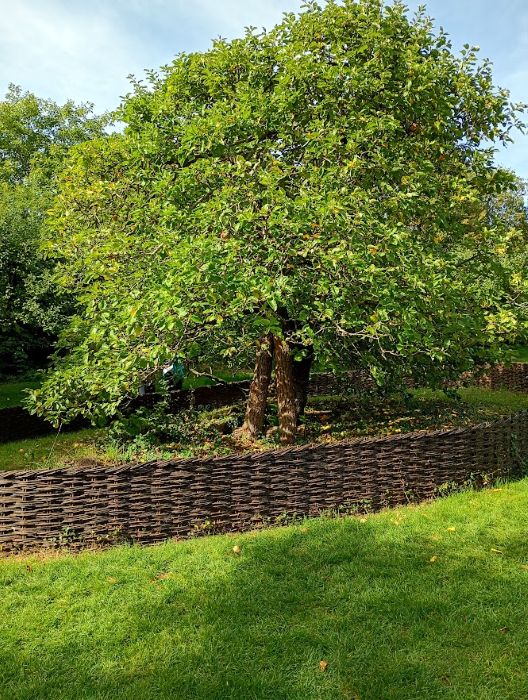
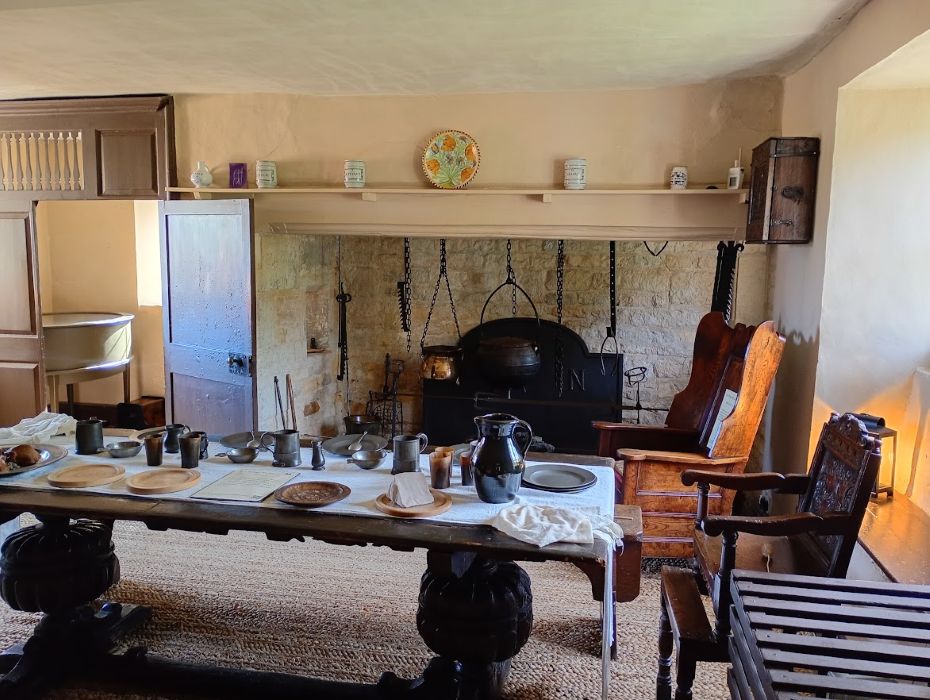
In the 17th century manor house, we stood in the room where he used a prism to split sunlight into the colours of the rainbow, exploring the nature of light. From the window we could see the Flower of Kent apple tree in the orchard which inspired his theory of gravity.
A useful addition to the manor is the hands-on Science Centre, where you could observe, experiment and discover Isaac Newton's theories on gravity, motion, optics and light.