
| Status: | Active, open to new members |
| Convenor: |
Janet Allen
Tel: 07813 462 081
|
| Convenor: |
David Johnson
Tel: 07549 132 066
|
| When: | Monthly on Tuesdays 10:00 am-12:00 pm 4th Tuesday of the month |
| Venue: | Carlton Fire Station |
Our science group is dedicated to all things scientific, technological and engineering. We are planning a mixed programme of presentations, visits, shared presentations and perhaps the occasional TED talk.
You don't need a PhD: our members range from novices to experts and all levels of knowledge and experience are welcome.
Please come and join us. There will be no charge, but you will need to bring your own refreshments. Please be prompt as we have to let members in to the Fire Station. If you are going to be late, let Janet know in advance so someone can stay downstairs and let you in.
For details of future meetings tap the Calendar button below and select Science & Technology from the Group drop-down list.
Recent Meetings
-
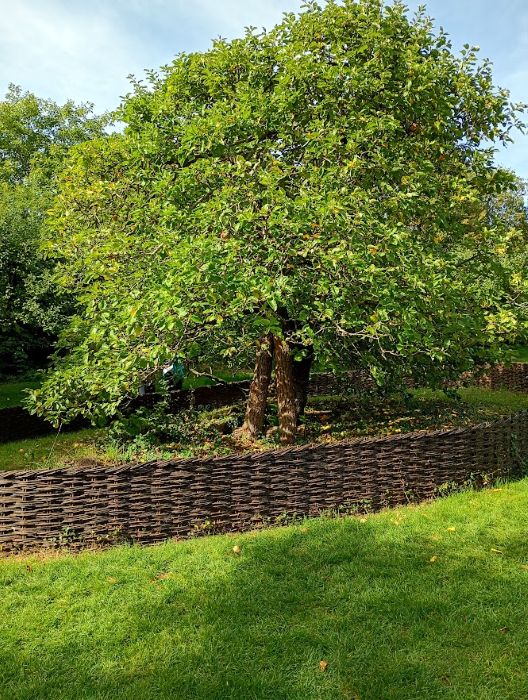
Woolsthorpe Manor
September 2026: A group of enthusiastic scientist/technologists travelled to Woolsthorpe Manor to explore the building where Sir Isaac Newton made his numerous famous discoveries. As an English polymath, he was a mathematician, physicist, astronomer, alchemist, theologian, author and inventor. Without Isaac Newton this small manor would be just another Lincolnshire farmhouse - but in 1665 the plague sent him back from Cambridge University to the place where he was born. For 18 months Newton worked in solitude, experimenting obsessively, laying foundations for the science of today. Woolsthorpe Manor tells the story of Newton's time at Woolsthorpe, from his birth and… Read More
-
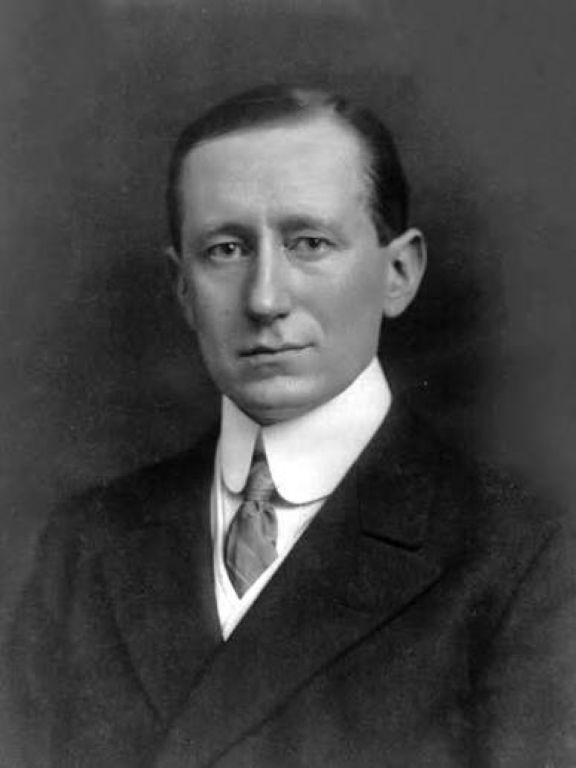
The Achievements of Marconi
August 2026: Michael Carver presented the achievements of Marconi, which include the transistor radio, television and telephone (which would lead to the everyday mobile phone). Guglielmo Giovanni Maria Marconi was an Italian electrical engineer and inventor known for his creation of a practical radio wave-based wireless telegraph system. This led to his being largely credited as the inventor of radio and sharing the 1909 Nobel Prize in Physics with Ferdinand Braun "in recognition of their contributions to the development of wireless telegraphy." Marconi did not receive any formal education during his youth. Instead, he learned chemistry, mathematics, and physics at… Read More
-
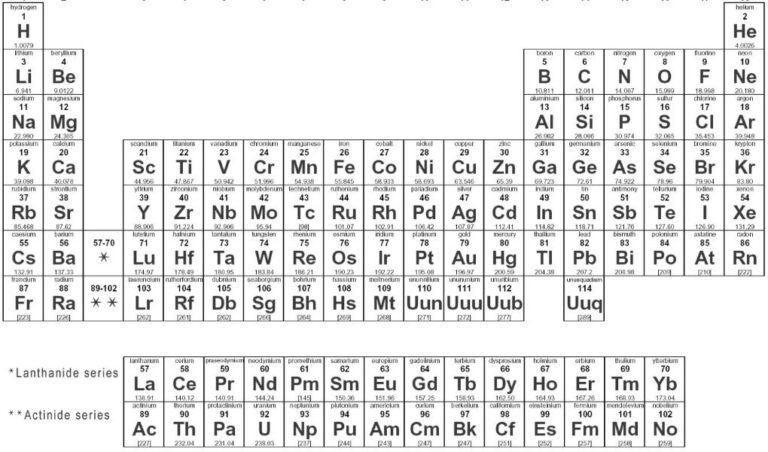
The Periodic Table
July 2026: Six members chose their favourite element in the Periodic Table of Elements and each gave a short talk to the group. First up was Hydrogen, which has been promoted as a potential replacement for natural gas in domestic gas boilers, with discussion of its possibility and practicality. An interest in Lithium began in childhood with memories of the mythical dilithium crystals which featured in many episodes of Star Trek. In later years, salts of Lithium were found to be important ingredients in rapid strengthening cement mixtures for repairing airport runways and in rechargeable batteries. Titanium is a… Read More
-
The Space Race
June 2026: Our June meeting attracted 14 fellow scientists with 7 of them participating in a group session on the Space Race, covering the period from the end of World War 2 to the present. First up was David, who provided a plastic model of the Saturn V rocket that propelled the first astronauts to the moon. He spoke about the origins of these rockets, from the German V2 to the Soviet Sputnik and Luna 1. Trevor followed on from these early days to discuss the first manned space flights of Yuri Gagarin, Alan Shepherd and John Glenn, which would… Read More

-
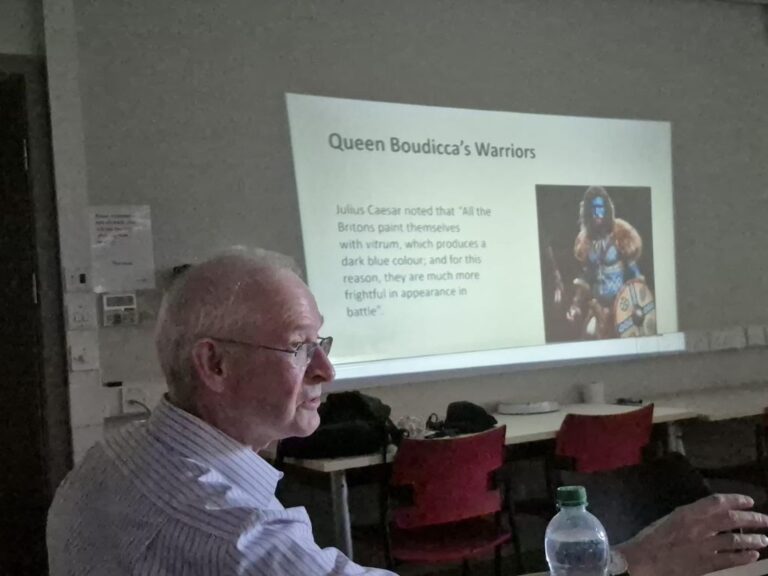
Woad to Warfarin
May 2026: Our May meeting was well attended to watch David Johnson’s presentation “Woad to Warfarin”, which discussed the role of textile dyes in the birth of modern medicines for relieving pain and curing diseases. Early dyes such as woad were known to have antiseptic properties, which might explain why the ancient Britons smeared their bodies before battles with the Roman army. When new chemicals were found in coal tar in the 19th century, chemists made new colours from them and also new drugs, which were more reliable than herbal medicines. The money generated by dyes advanced our knowledge of… Read More
-
The MRI Scanner
April 2026: Our April meeting was attended by a group of 16 members to hear our guest speaker, Professor Reg Dennick from Park Nottingham u3a, who provided an interesting and entertaining account of the development of the MRI Scanner by Dr Peter Mansfield in Nottingham in the 1970s. Magnetic Resonance Imaging (MRI) resulted from the work of many researchers, starting early in the twentieth century, who developed the understanding of the underlying physics that led to magnetic resonance imaging. In the late 1970s and 1980s, Peter Mansfield at the University of Nottingham further developed the techniques already used in MR… Read More