| Status: | Active, open to new members |
| Convenor: |
Ken Brown
Tel: 07584 835 479
|
| Convenor: |
Stan Bown
Tel: 07798 614 493
|
| When: | Monthly on Wednesdays 10:00 am-11:30 am 2nd Wednesday of the month |
| Venue: | The Bread and Bitter |
We meet at 10:00am in the Bread and Bitter on the 2nd Wednesday of the month.
If you would like to come along for a coffee and a social discussion on Railways and Transport you will receive a warm welcome.
For an overview of future meetings tap the Calendar button and select Transport from the Group drop-down list.
Local Metro Maps
Click Metro Maps: East Midlands to view metro-style maps showing the development and changes of the area's rail network over time.
Recent Outings
September 2026: Hucknall Flight Test Museum
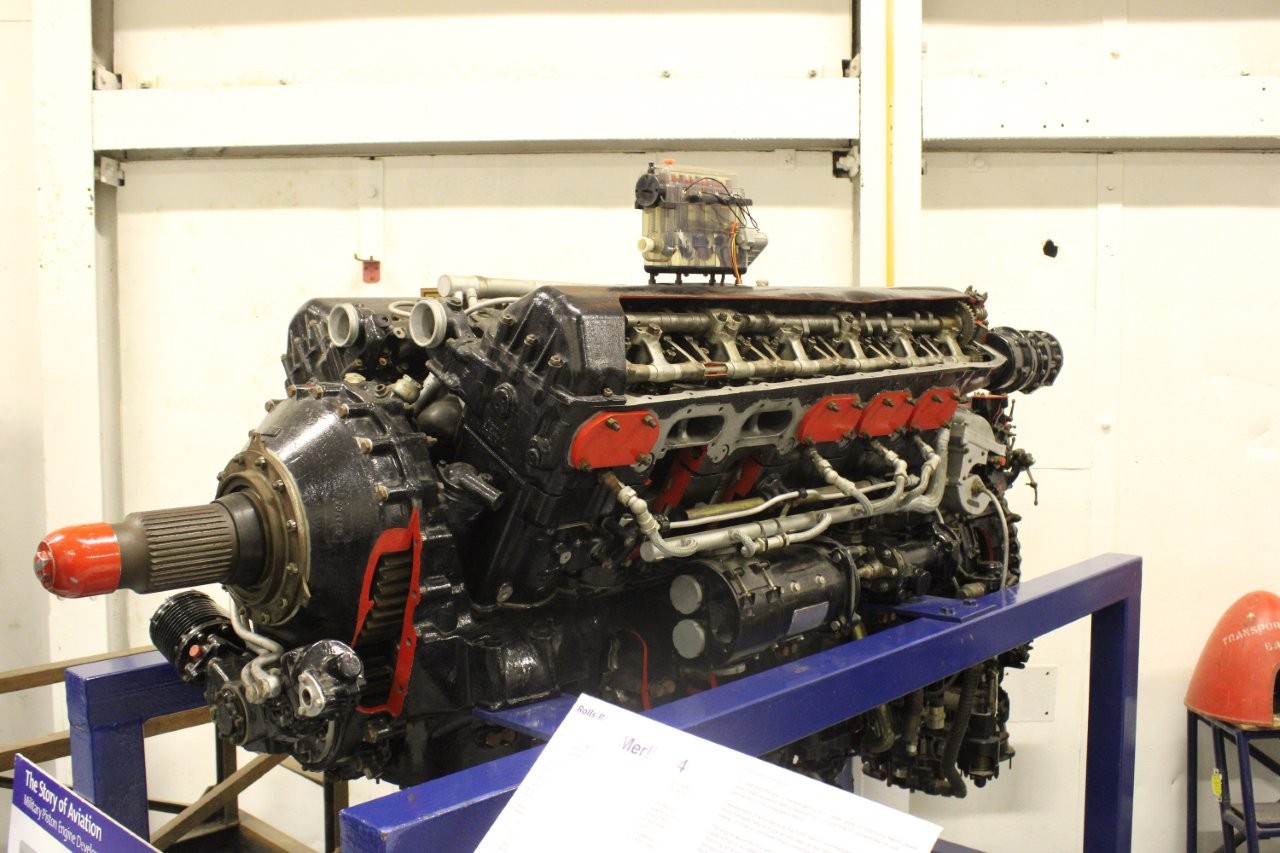
This is a museum of Rolls-Royce aeronautical history, located in some of the old Rolls-Royce hangars and staffed by very knowledgeable and enthusiastic volunteers.
The visit started with a short video detailing the history of the site. Initially used as a grass aerodrome in the First World War, the RAF took control again in 1928 and continued there until 1957. In 1934 Rolls-Royce moved their Flight Test Establishment from Tollerton into two spare hangars on the site.
This organisation tested new engines on the ground and in aircraft prior to production and regular use. Two of the early engines used extensively during the war were the Merlin and the Griffon. Many thousands were built during the war and aircraft would be brought to the site to have engines modified to the latest specification.
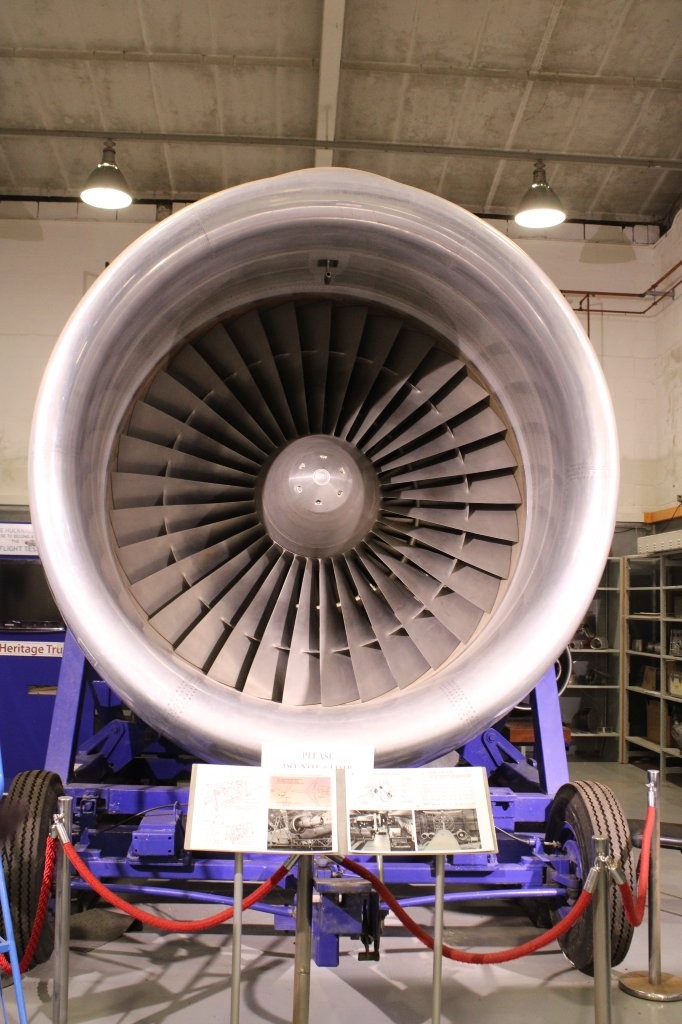
The first jet engines for the RAF were developed during this period and the Welland was used in the first jet fighters. Post war saw the development of engines for commercial airliners as well as military aircraft culminating in the RB211.
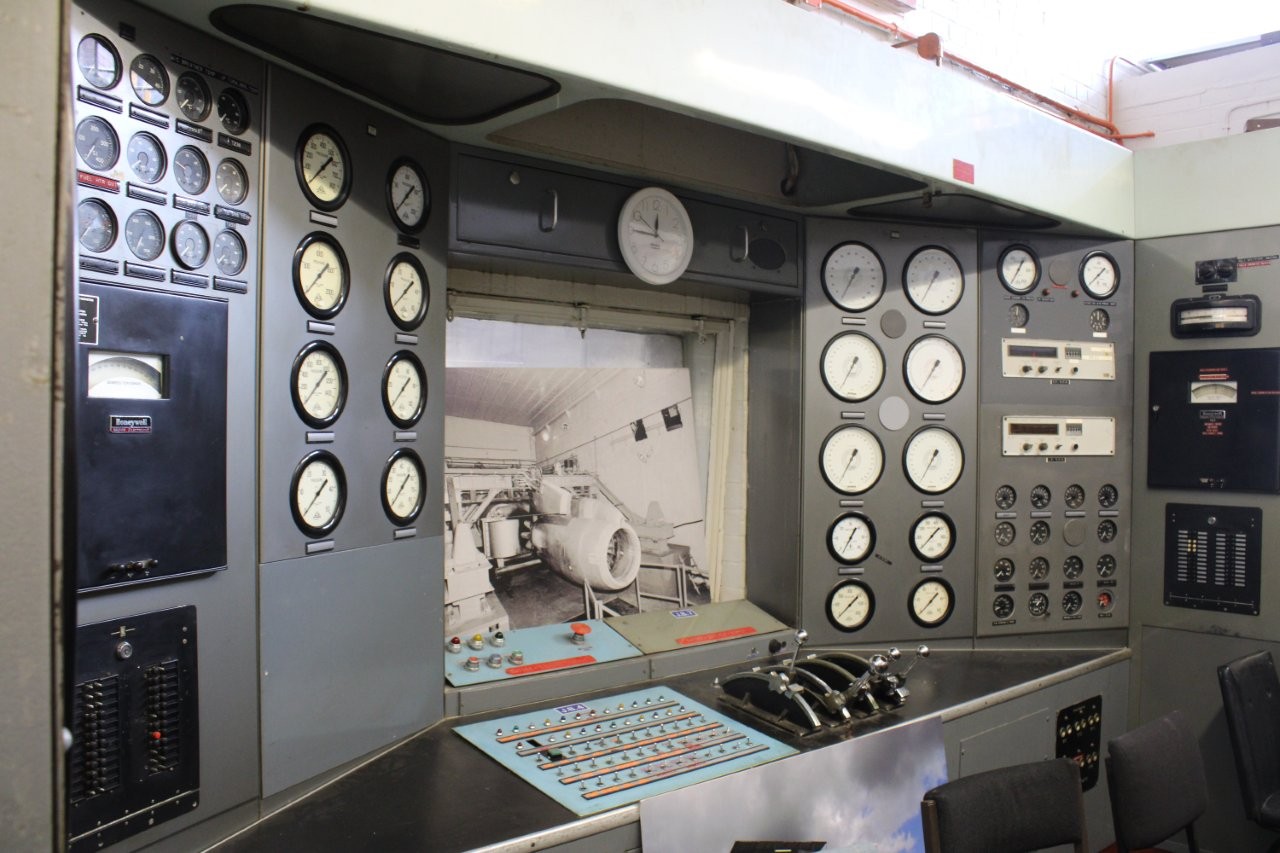
The group was then taken round the Wing Hangars which were built to test engines in aircraft wings. The tests were monitored from a control room situated between the two hangars where instruments gave readouts of test parameters and the engines could be observed through a window. These were recorded by pen and paper then transcribed onto charts – computers arrived much later to record parameters.
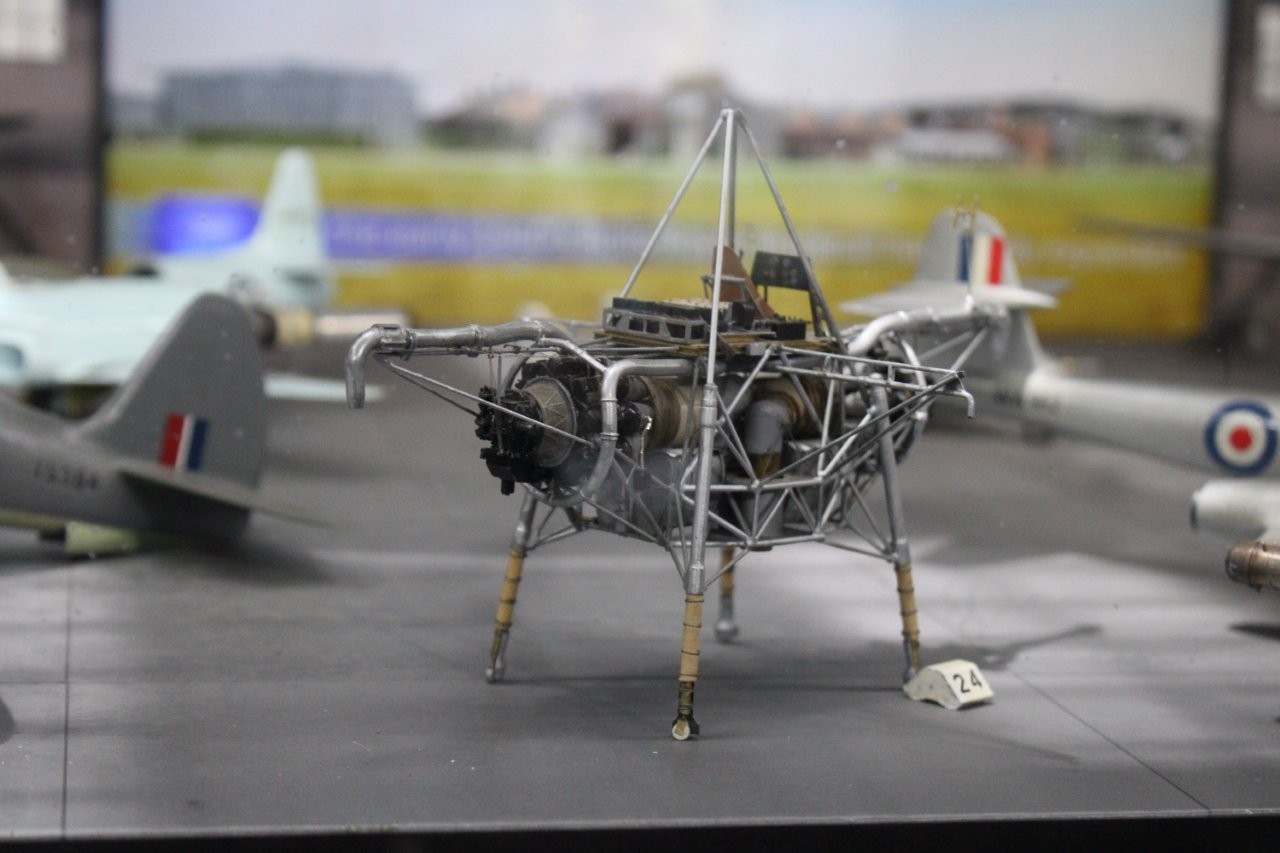
In one hangar were examples of each type of engine with cutaways to reveal their inner workings. The volunteers then explained how each one worked and the developments that lead to the next engine. One engine had been installed in the Thrust Measurement Rig – known as the “Flying Bedstead” – which was the initial stage in developing the Harrier aircraft.
August 2026: At the Seaside
A small group of members took a car share trip to the seaside.
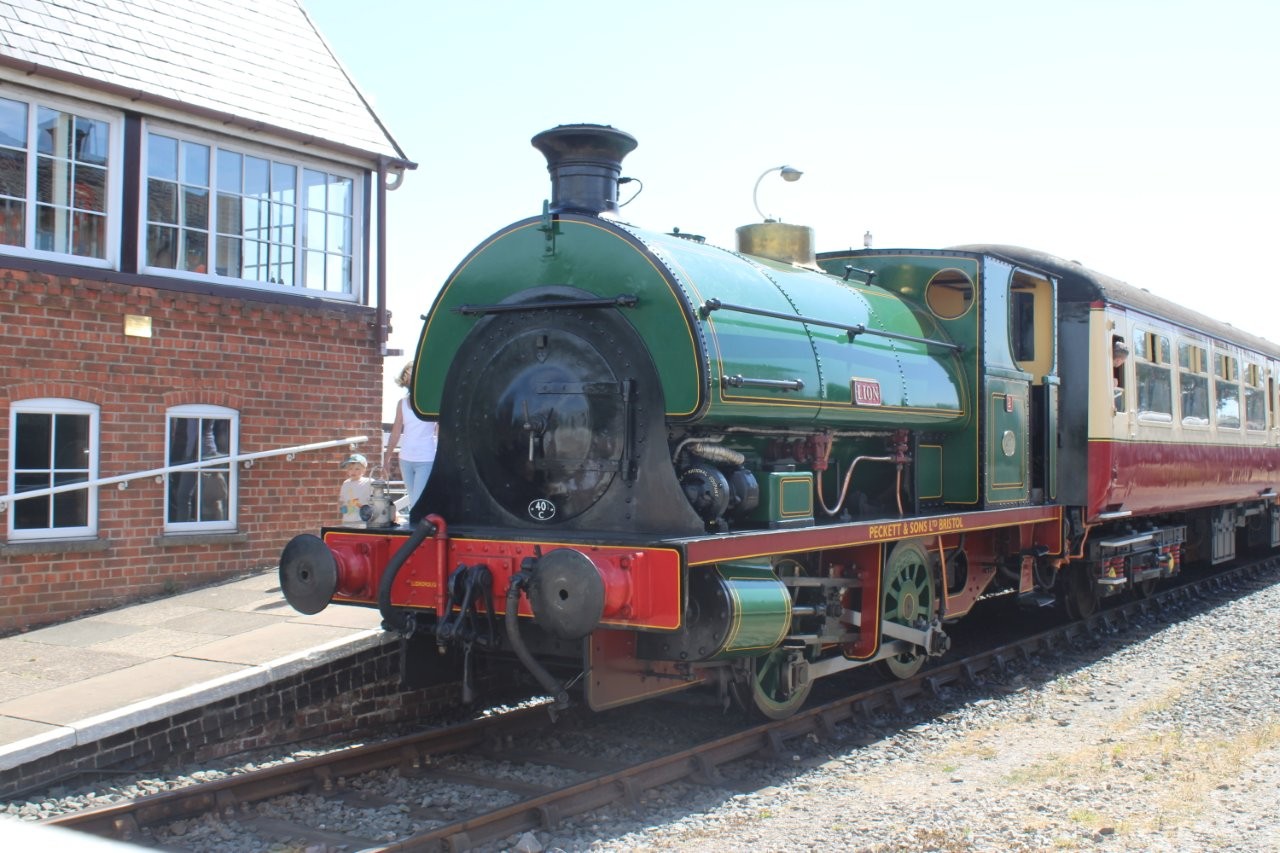
The first visit was to the Lincolnshire Wolds Railway near Louth. This is a small section of the old line from Immingham to Louth which has been preserved and provides steam hauled rides on a limited number of days. The aim is to extend the line as funds become available – not a cheap task.
We all took a ride on the 1½ mile line from Ludborough to North Thoresby and return through the flat countryside. Unfortunately we were unable to visit the engine sheds due to shortage of volunteers but we were able to sample their excellent buffet located in a preserved GWR buffet coach.
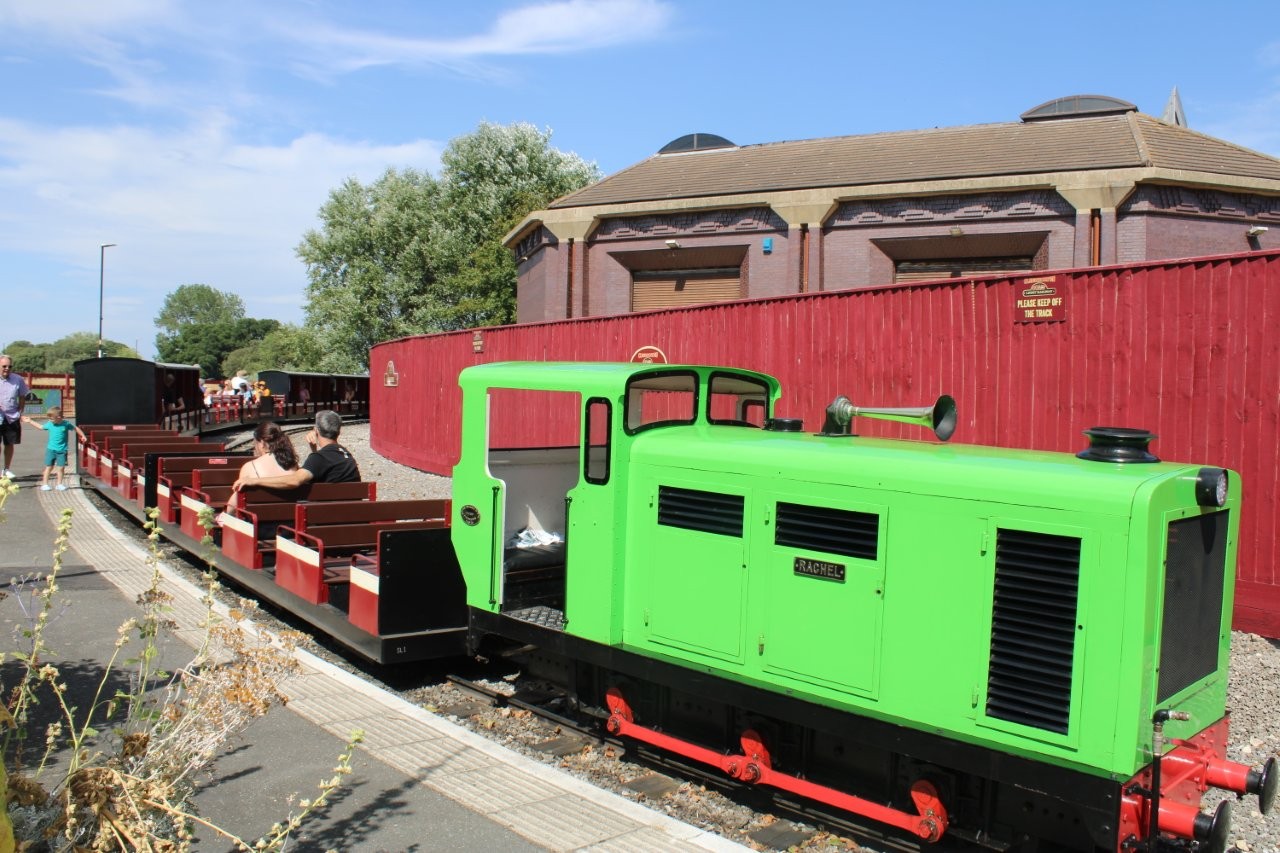
We then continued to Cleethorpes to visit the Cleethorpes Coast Light Railway. This narrow gauge line runs along the sand dunes into the town. A couple of our group managed to talk their way into the workshops to see some of the locomotives. These are all narrow gauge industrial locos that provide this popular service.
We finally ended up in Cleethorpes for the traditional seaside fish and chips.
Andy Dixon
Previous Outings